
How AI Is Changing Backyard Birdwatching and Citizen Science
Discover how AI bird identification, connected cameras, and human expertise are making backyard birdwatching more accessible and useful for citizen science.
From Missed Visits to Meaningful Observations
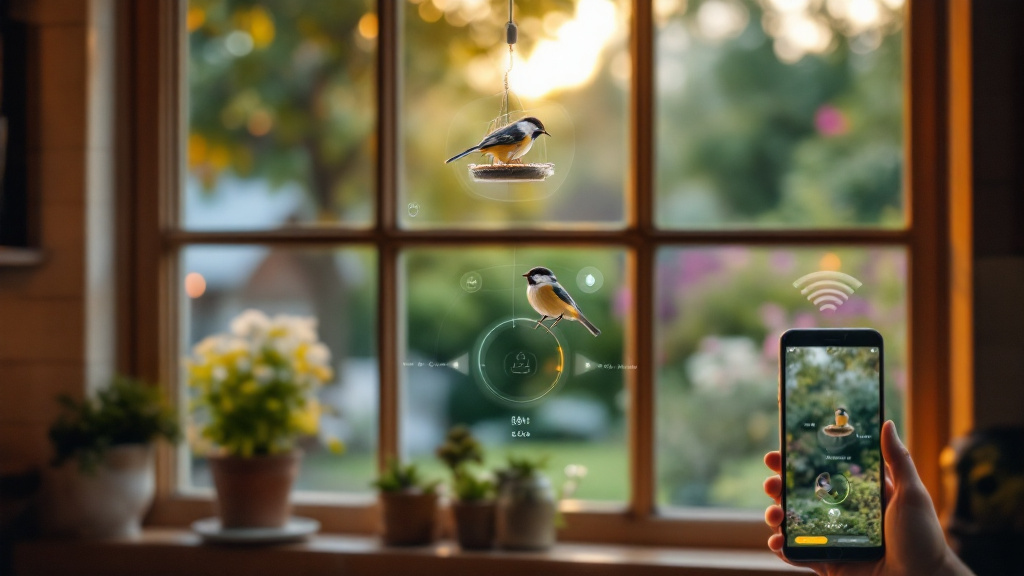
Backyard birdwatching has traditionally depended on being in the right place at the right time. A visitor may appear for only a few seconds, disappear before a camera can be raised, or remain difficult to identify through a window. Connected feeders are changing that experience by turning occasional observation into a continuous record. Motion-triggered cameras can capture visiting birds, filter out empty frames, and preserve images for later review.
AviaryLens combines an outdoor feeder, camera, computer vision, and a companion mobile app. When a bird arrives, an on-device or cloud-based model can suggest a species and display a confidence score. The app then saves the sighting, sends an optional activity alert, and can track patterns over time. This makes AI bird identification useful for families, educators, experienced birdwatchers, and curious homeowners alike. Instead of replacing the pleasure of direct observation, birdwatching technology helps people notice more visits, compare seasonal activity, and build a personal archive of local wildlife.
What Computer Vision Can—and Cannot—Know
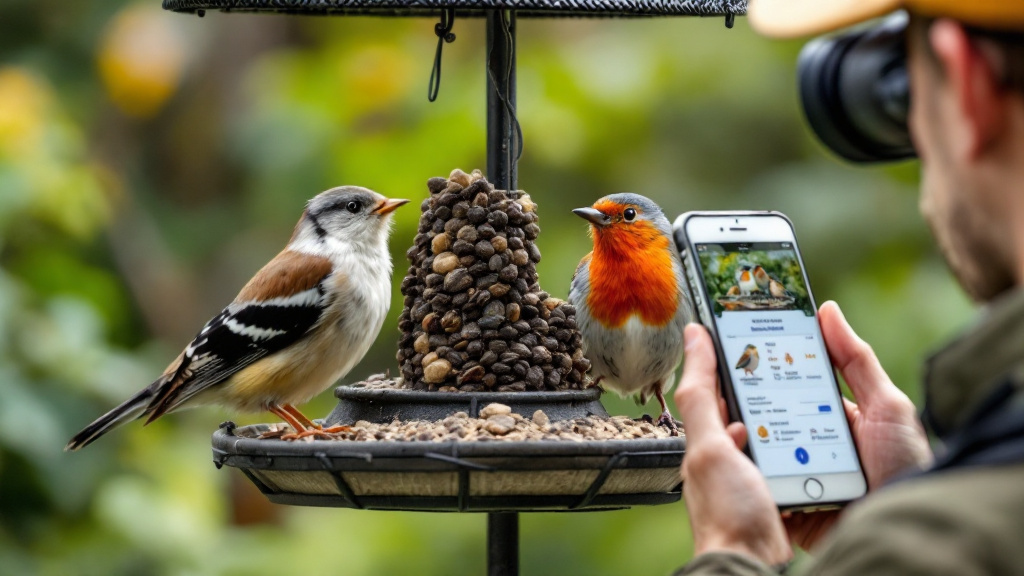
Computer vision makes automated observation possible by analyzing shape, color, posture, plumage, and context. Edge AI can process images directly on the feeder, reducing latency and limiting the amount of data sent over a home network. Cloud models may provide additional processing power and support software updates as recognition systems improve. Other connected features, such as weight sensors, can report declining seed levels so owners can maintain the feeder without constant manual checks.
Yet an AI result is not the same as a confirmed field record. Poor lighting, unusual angles, partial views, molting plumage, juvenile birds, and similar-looking species can all reduce accuracy. A confidence score should communicate uncertainty rather than create false precision. Human verification remains essential, especially for rare species or data submitted to research platforms. The best birdwatching technology treats models as helpful assistants: they narrow possibilities, organize images, and highlight notable events while people apply field marks, habitat knowledge, behavior, and local expertise. This partnership makes citizen science more efficient without weakening its scientific standards.
A Larger Role for Backyard Citizen Science
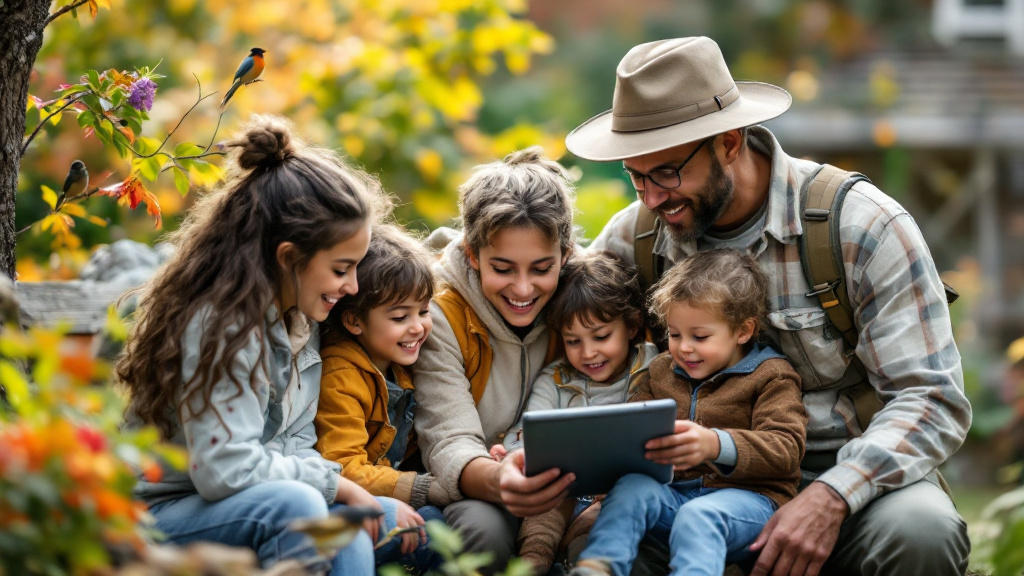
When individual sightings are collected consistently, they can become more valuable than isolated snapshots. Automated feeders may reveal arrival dates, feeding frequency, daily activity, and changes across seasons. With appropriate privacy controls and clear data permissions, these records can support community projects, classroom lessons, habitat discussions, and broader wildlife monitoring. A family might notice when chickadees return each year, while a school could compare bird diversity across neighborhoods or evaluate how landscaping affects visits.
The strongest systems will combine automation with responsible participation. Users should be able to review images, correct species labels, remove sensitive data, and choose whether observations remain private or contribute to a shared dataset. Researchers and community scientists can then use machine-generated suggestions as a scalable first layer, with people validating important records. AI bird identification is not a substitute for careful observation; it is an invitation to observe more often and participate more easily. As connected cameras, edge AI, and mobile apps mature, the backyard can become a richer window into local ecosystems—and a practical starting point for protecting them.